

About This Home

Area Of Town
St. Louis Park

Year Built
1948

Tour Year
2026

Home Style
Ranch Style

Presented By
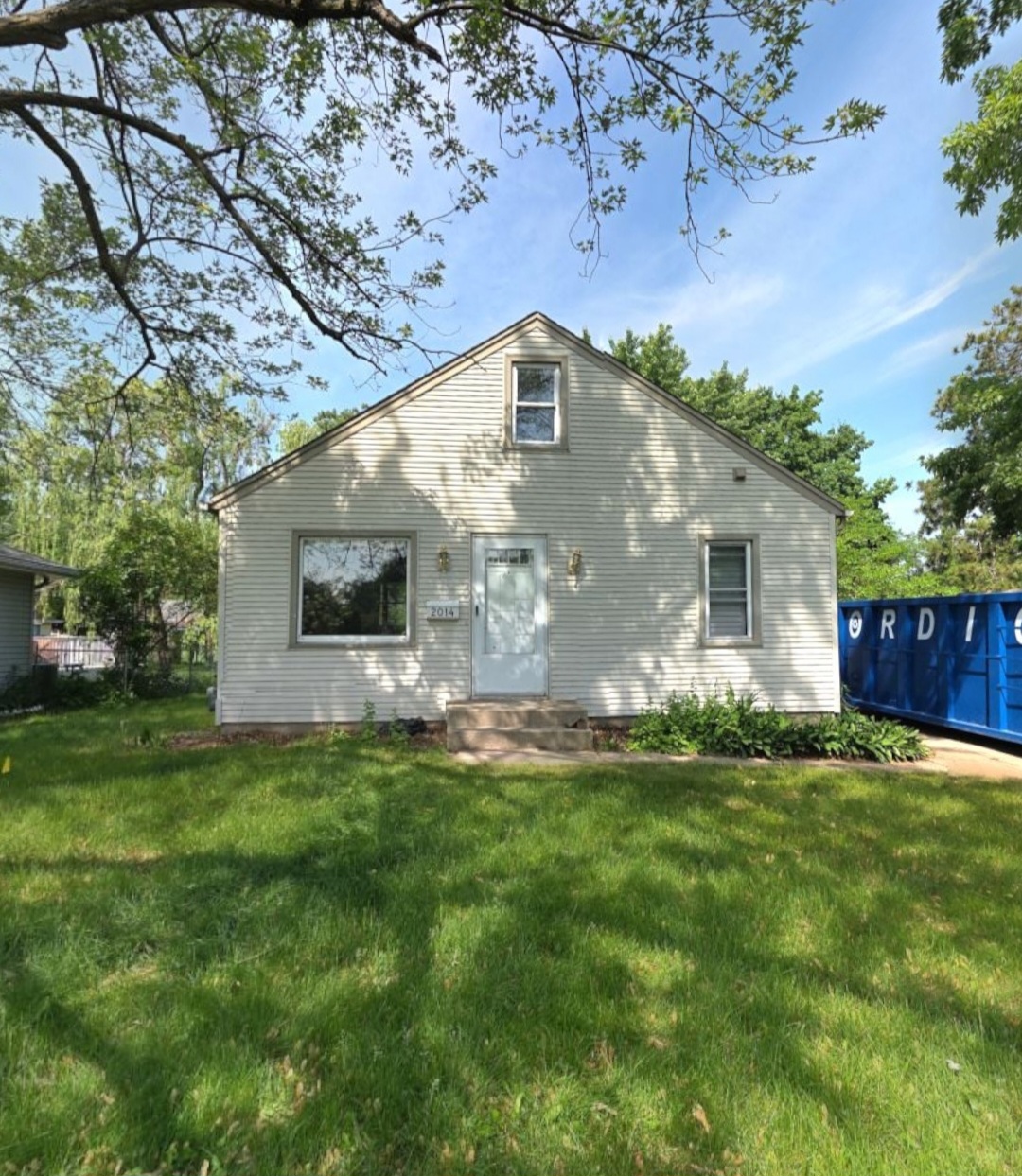
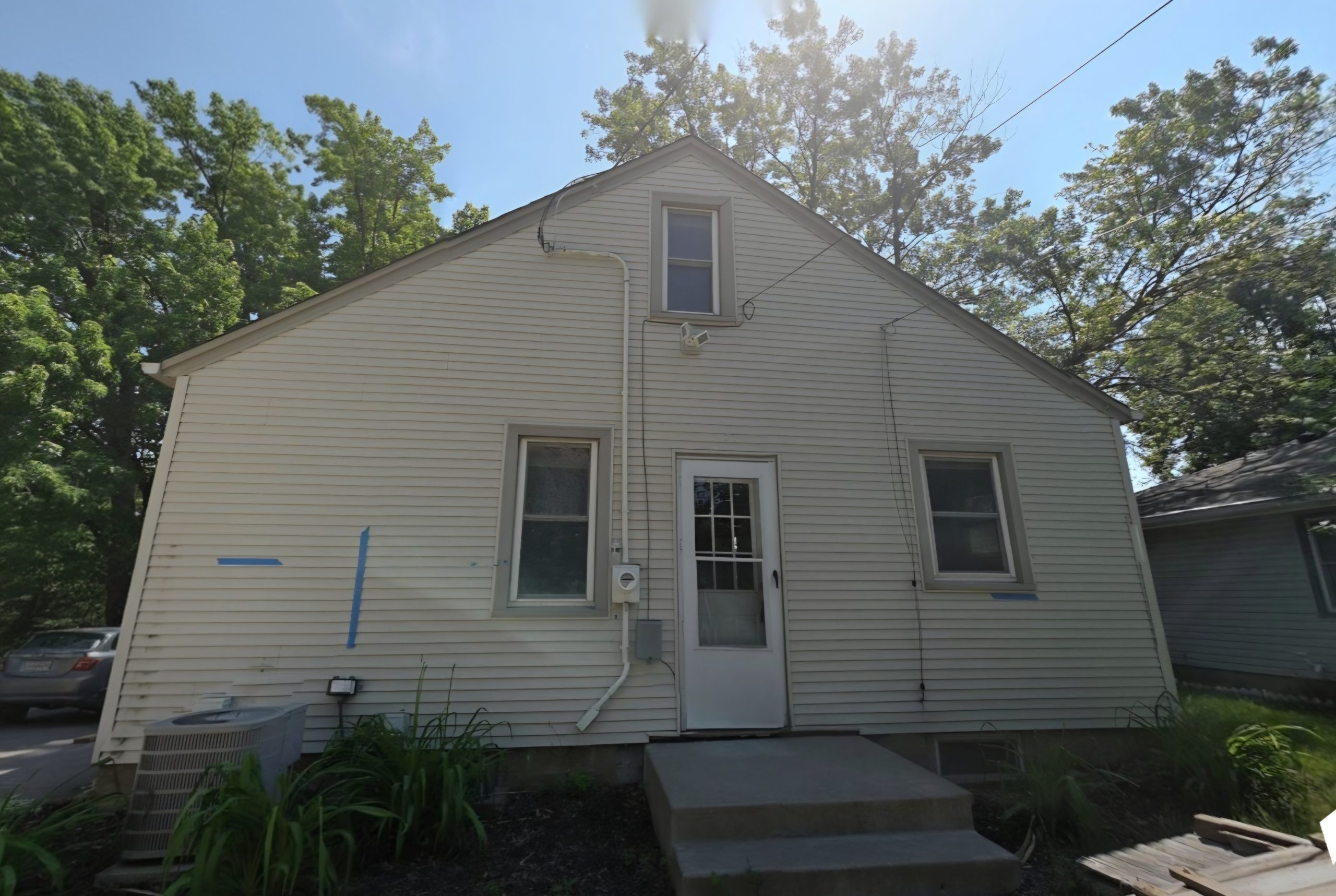
St Louis Park is full of small and unassuming post-war homes. Our project was no exception to this. It was a 1947 one and half story, with a tiny footprint and an attic with about 8 feet of space to either side of the ridge in which one could stand up. The house lacked a dining room and had almost no kitchen counter space, making for a cramped experience.
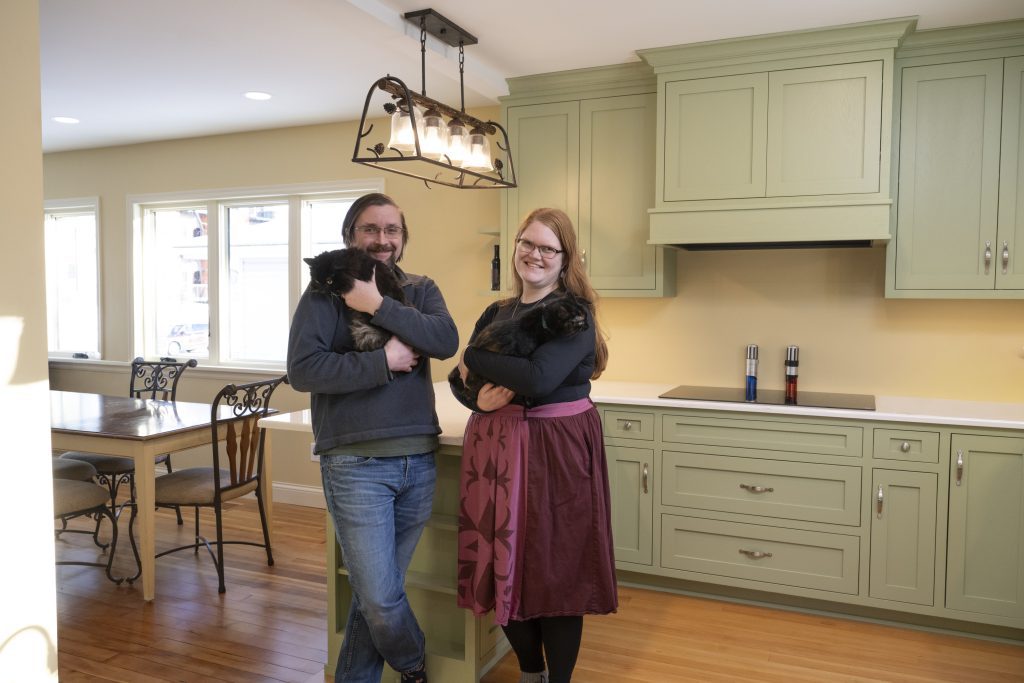
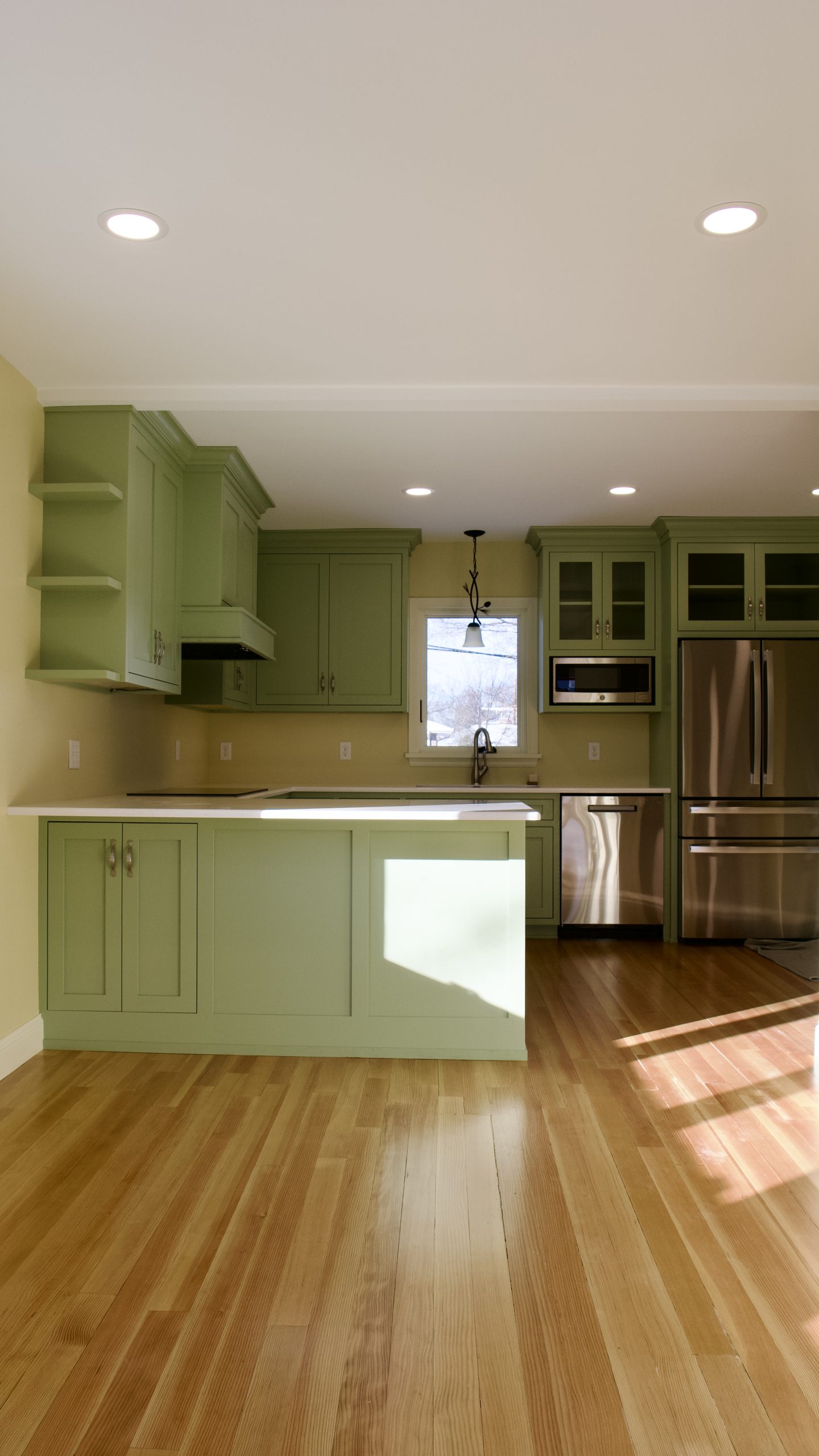
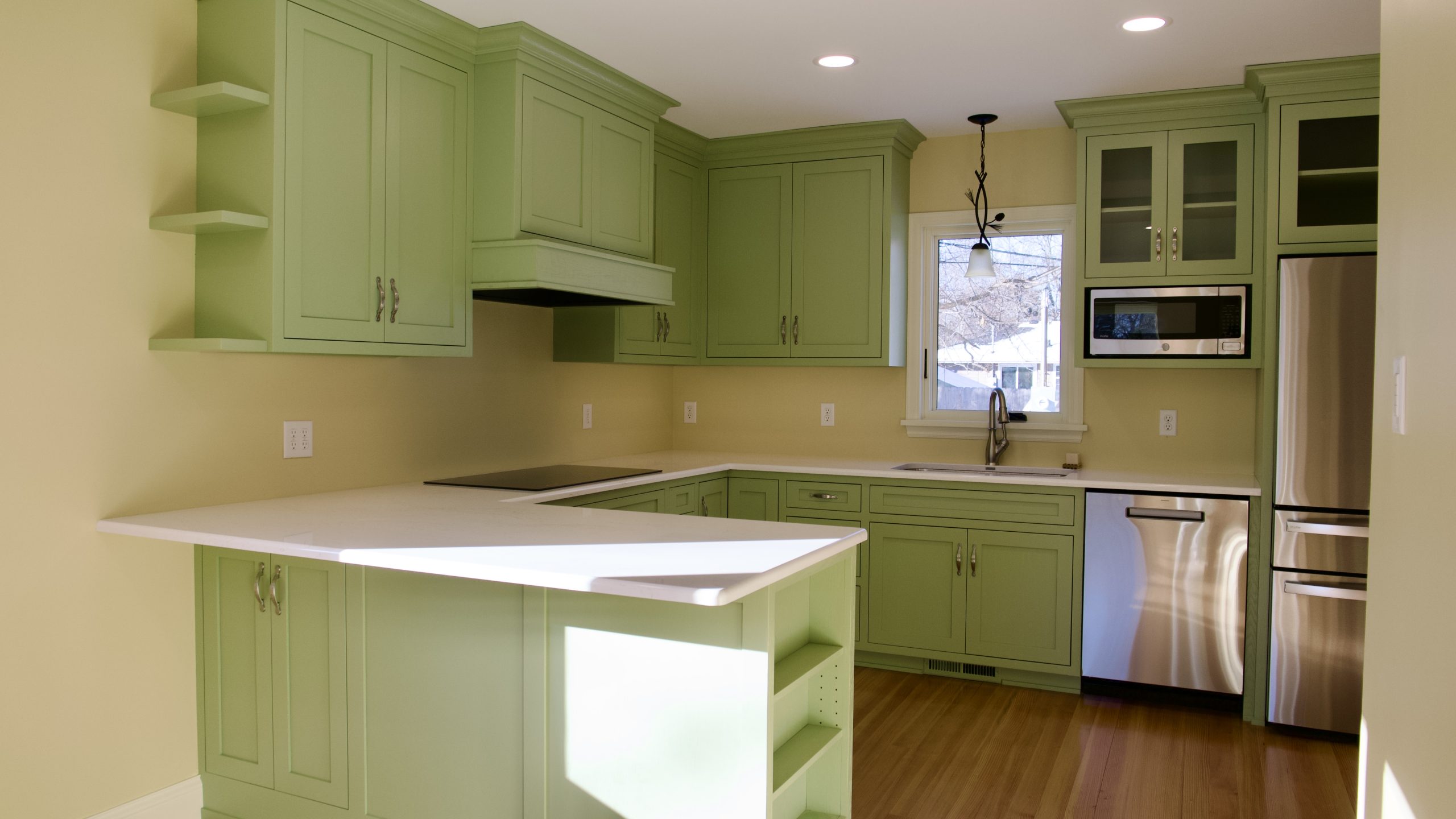
The homeowners love to cook and entertain and wanted a kitchen to support that, which became the starting point for this project: make a kitchen that could be the hub for entertainment and daily life. The kind of space where you can make a feast or just pour a bowl of cereal while your coffee brews. The kind of space that sustains life, but also lifts it in those moments when all your best people crowd in and you hurry around the kitchen prepping the last things needed to feed your gathered friends.
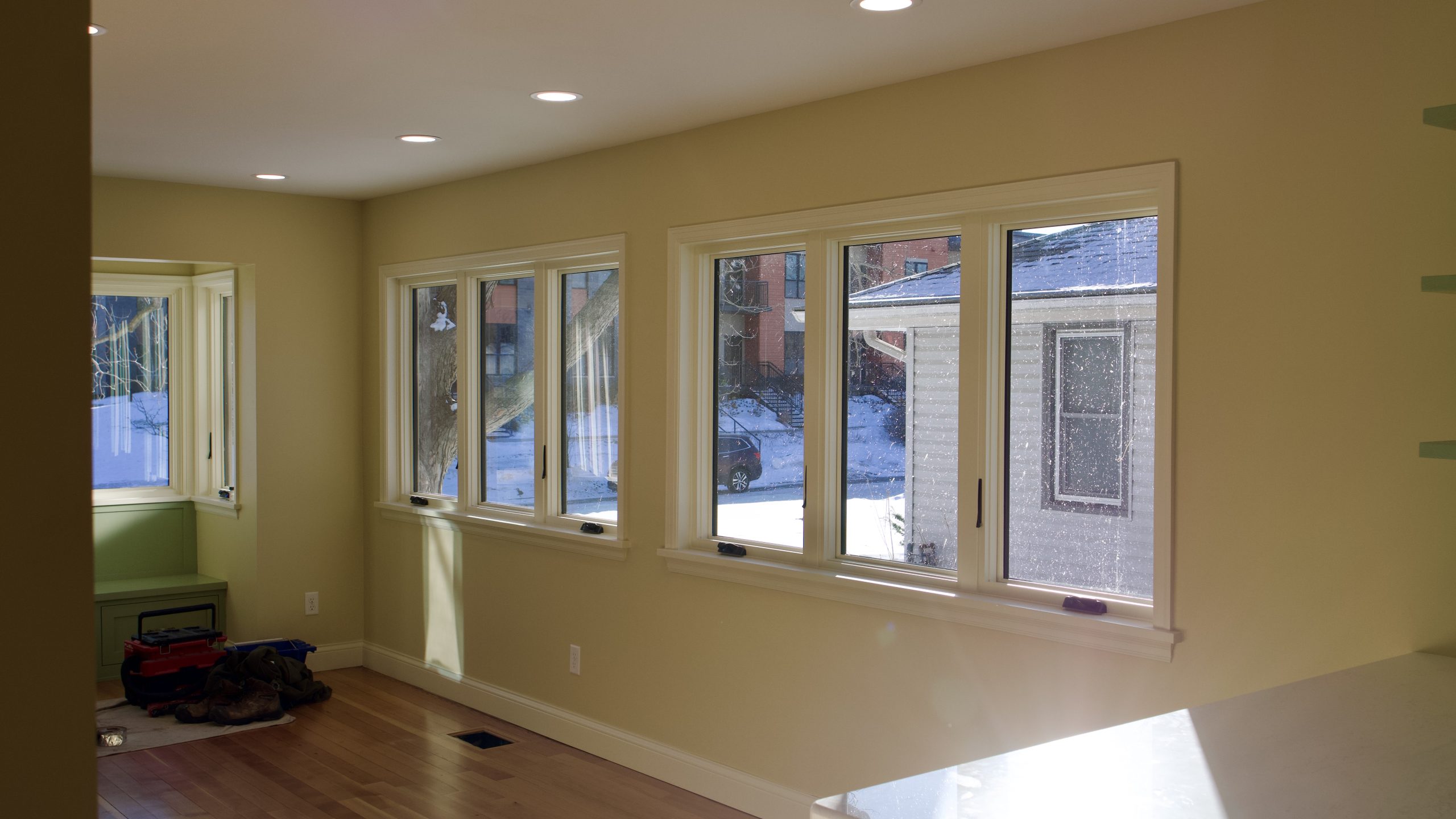
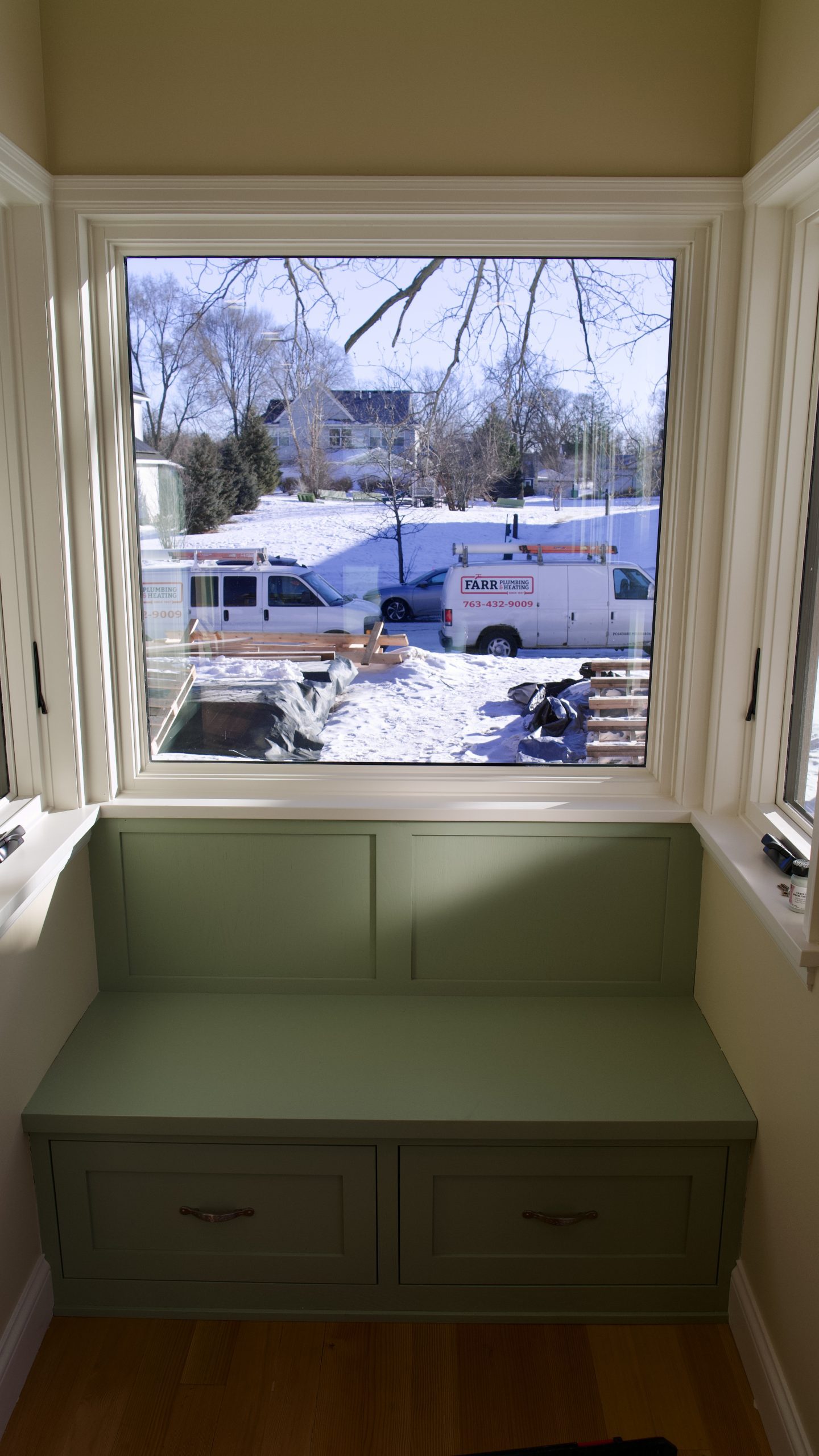
So, we added 10 feet to the back of the house and used that space to redefine the living, dining, and kitchen spaces. They all flow into one another rather than being shoved between walls. One can sit in the living room bump out and still talk to people in the kitchen. There is so much natural light that one hardly needs to turn the lights on in the winter as the sun is low in the southern sky and light comes pouring through that side of the house.
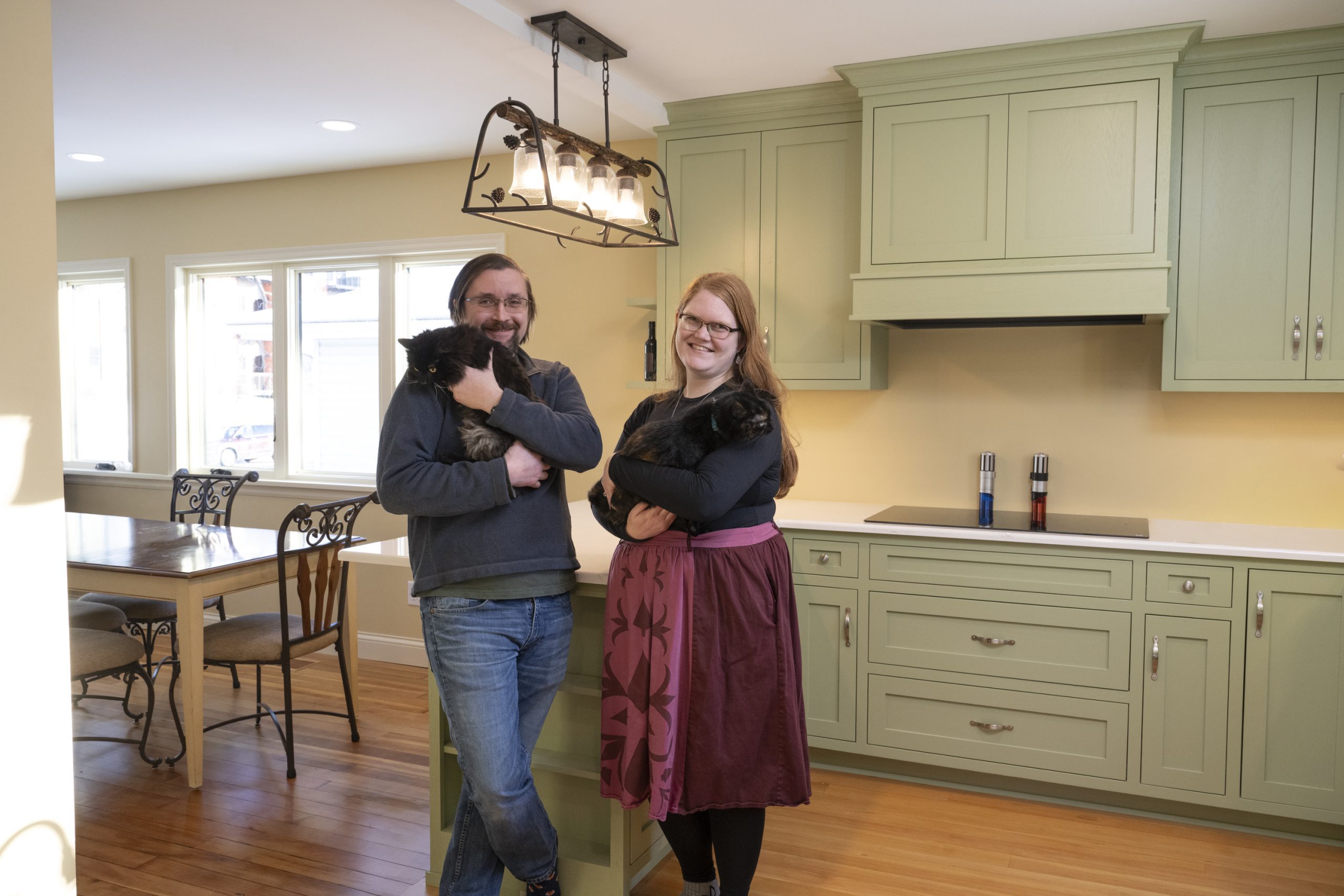
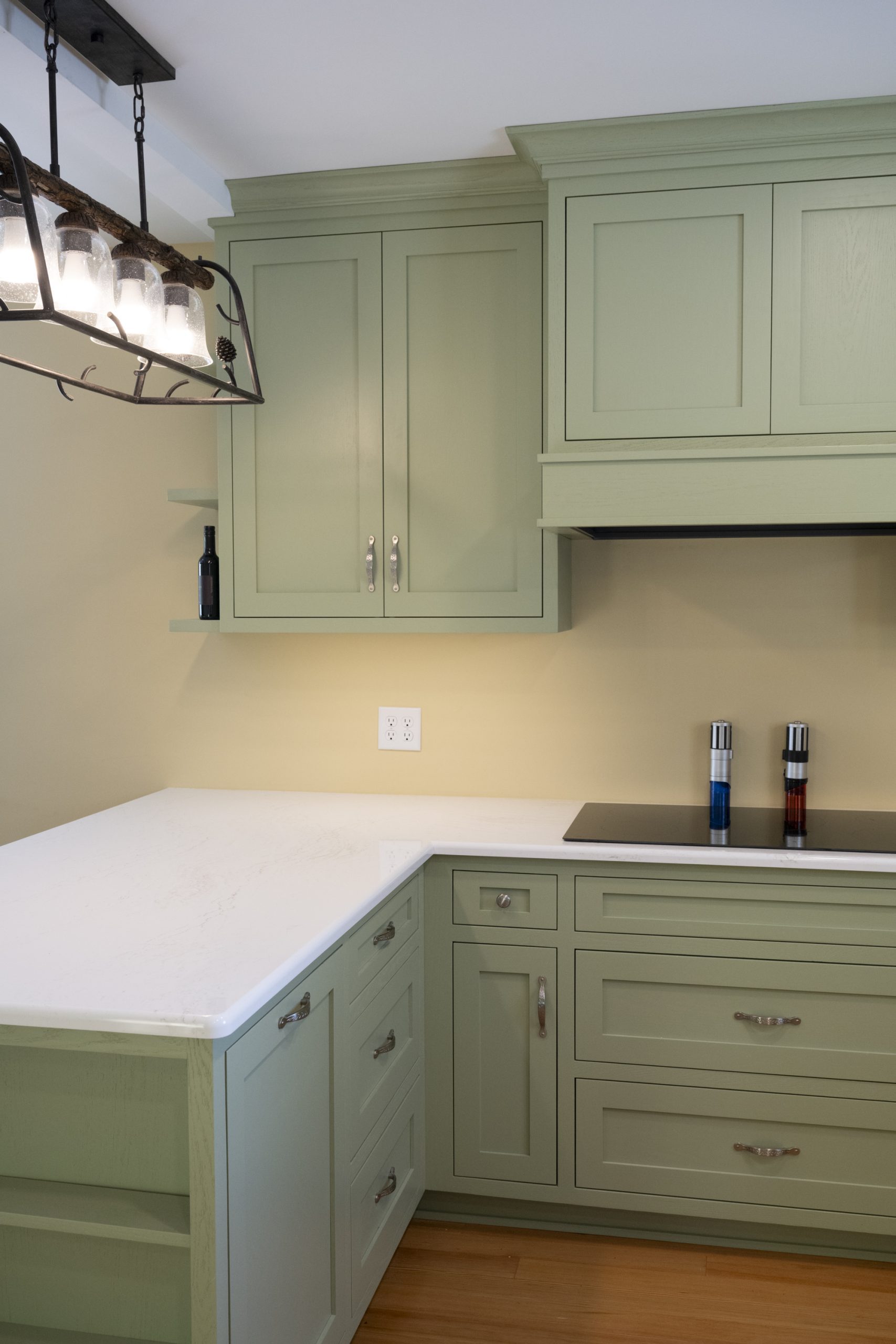
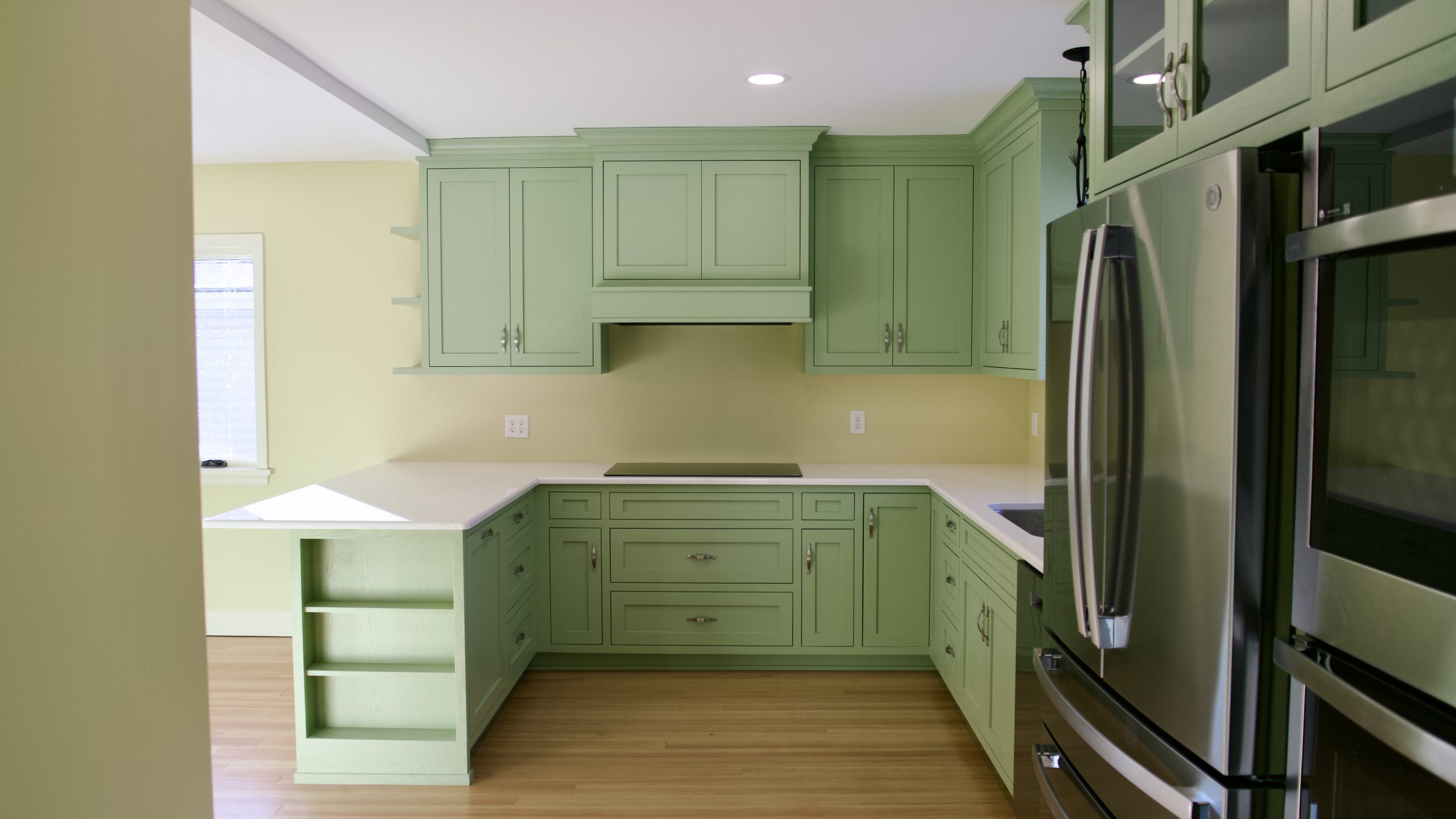
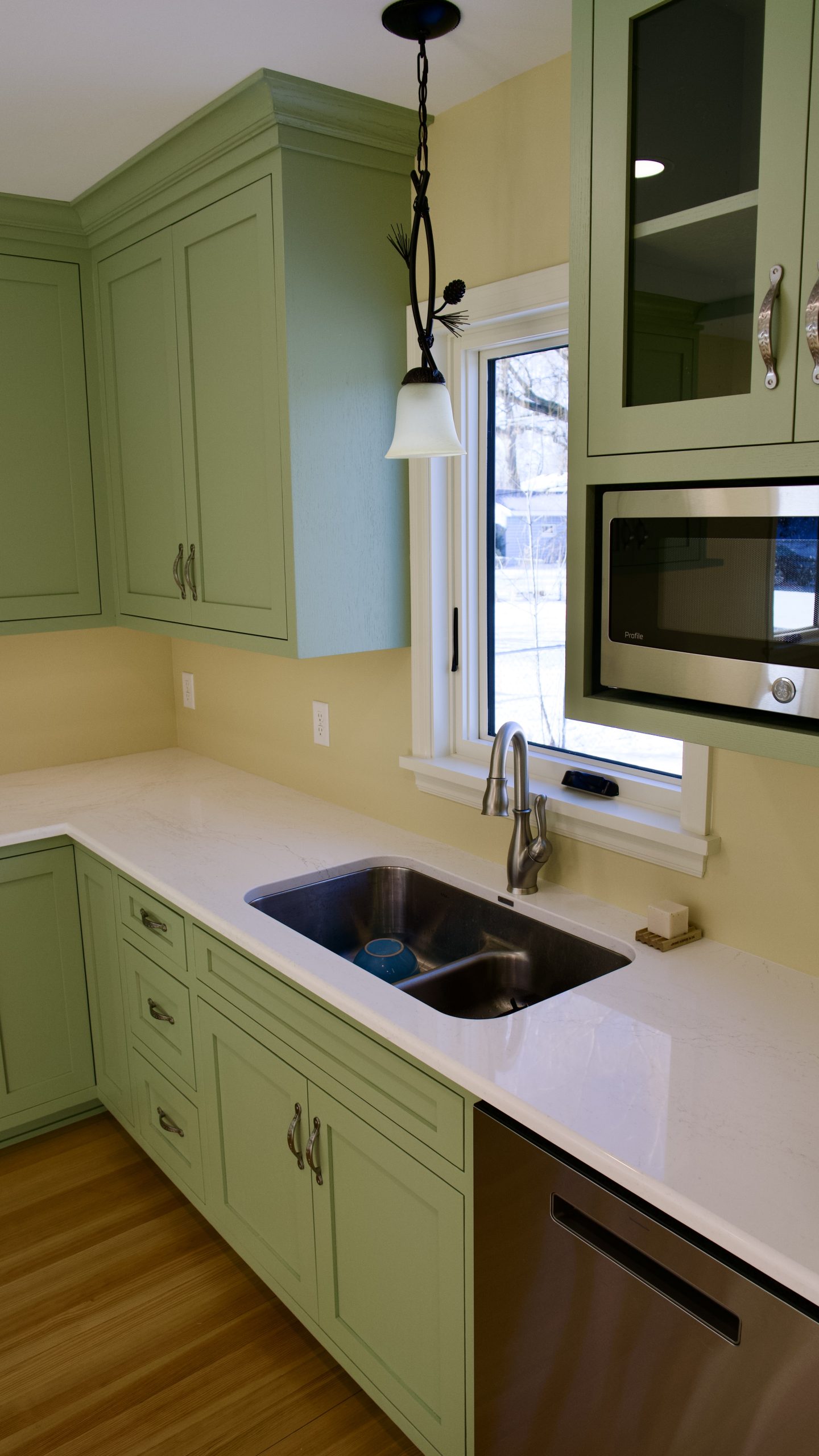
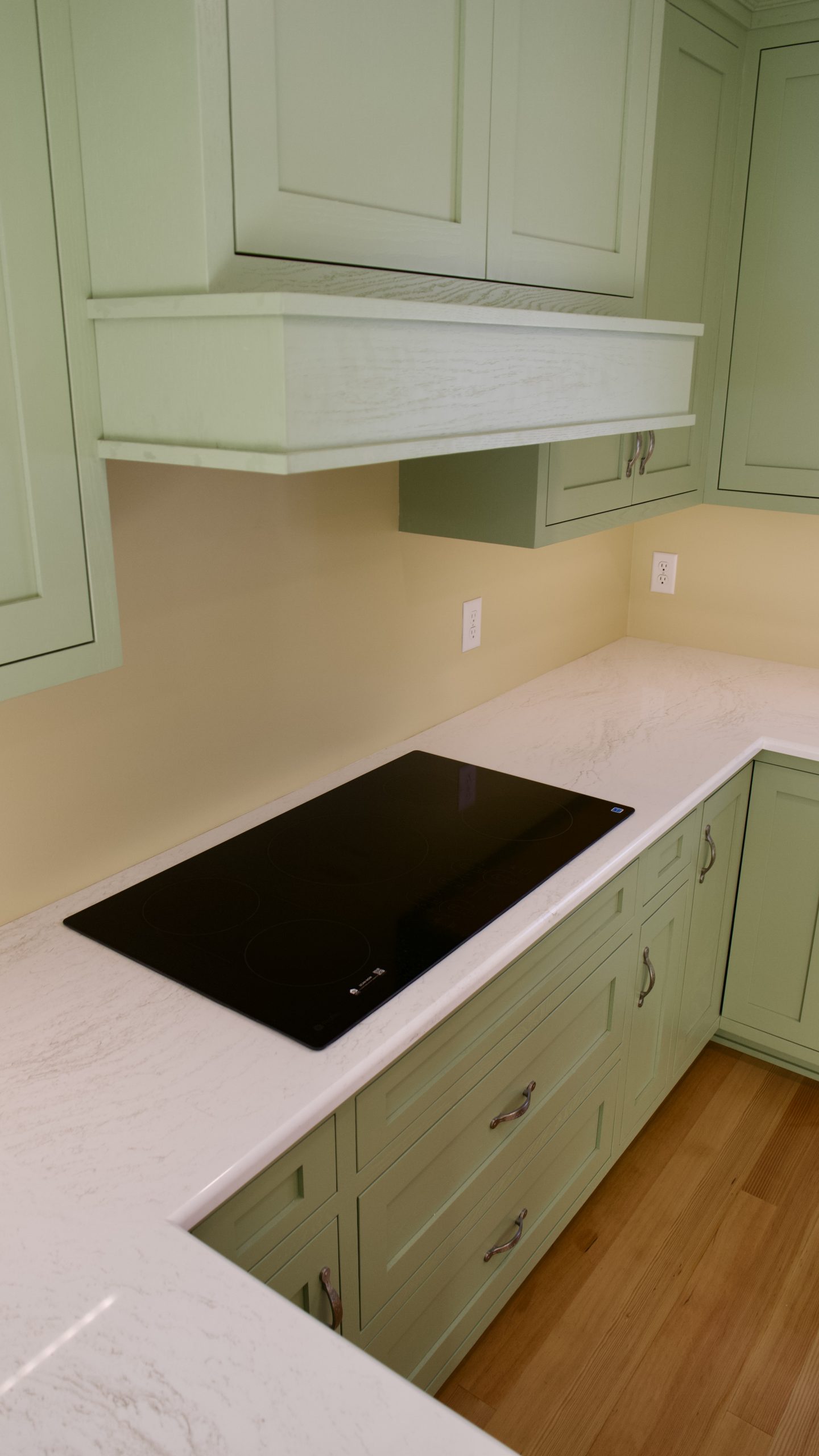
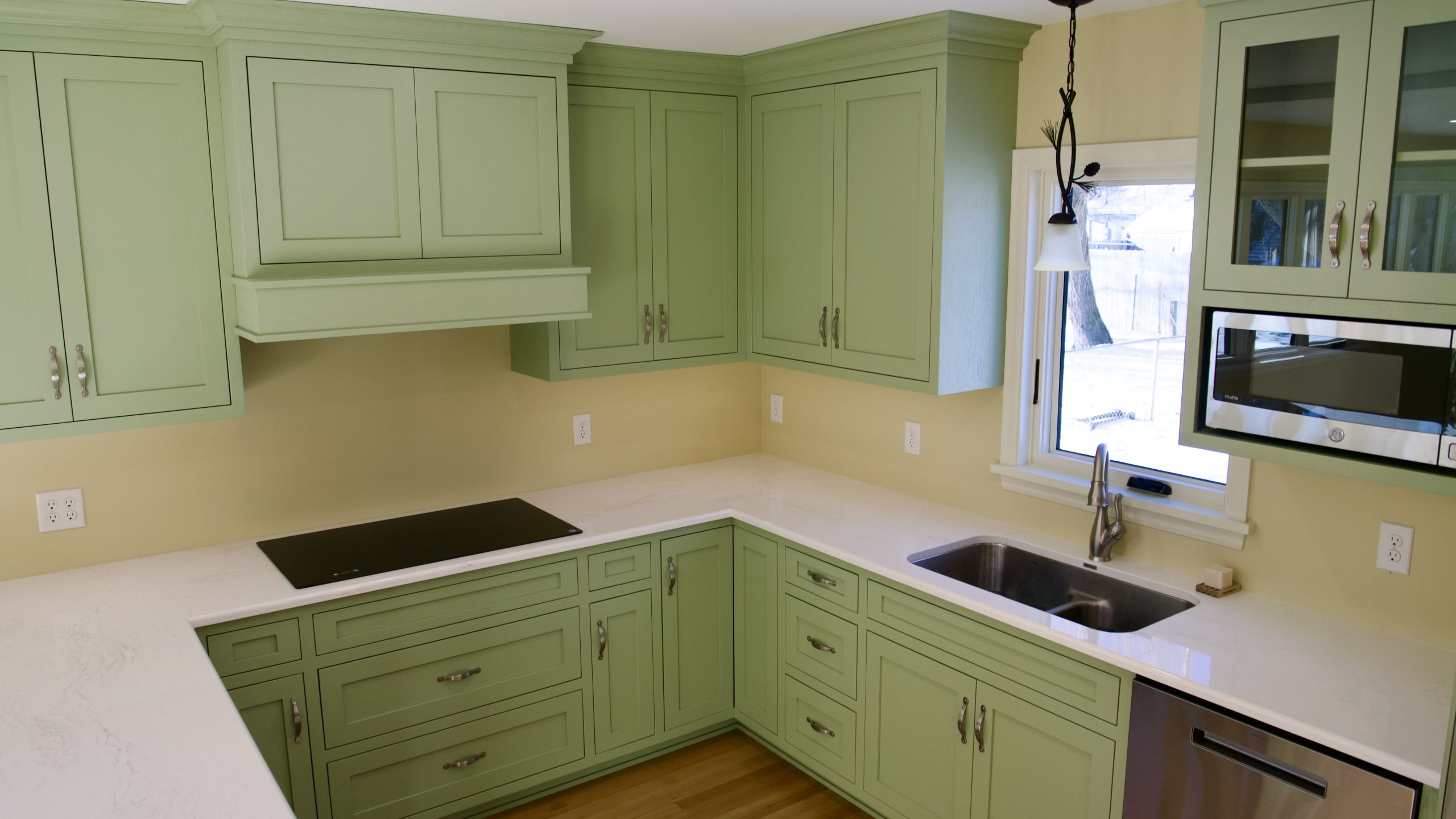
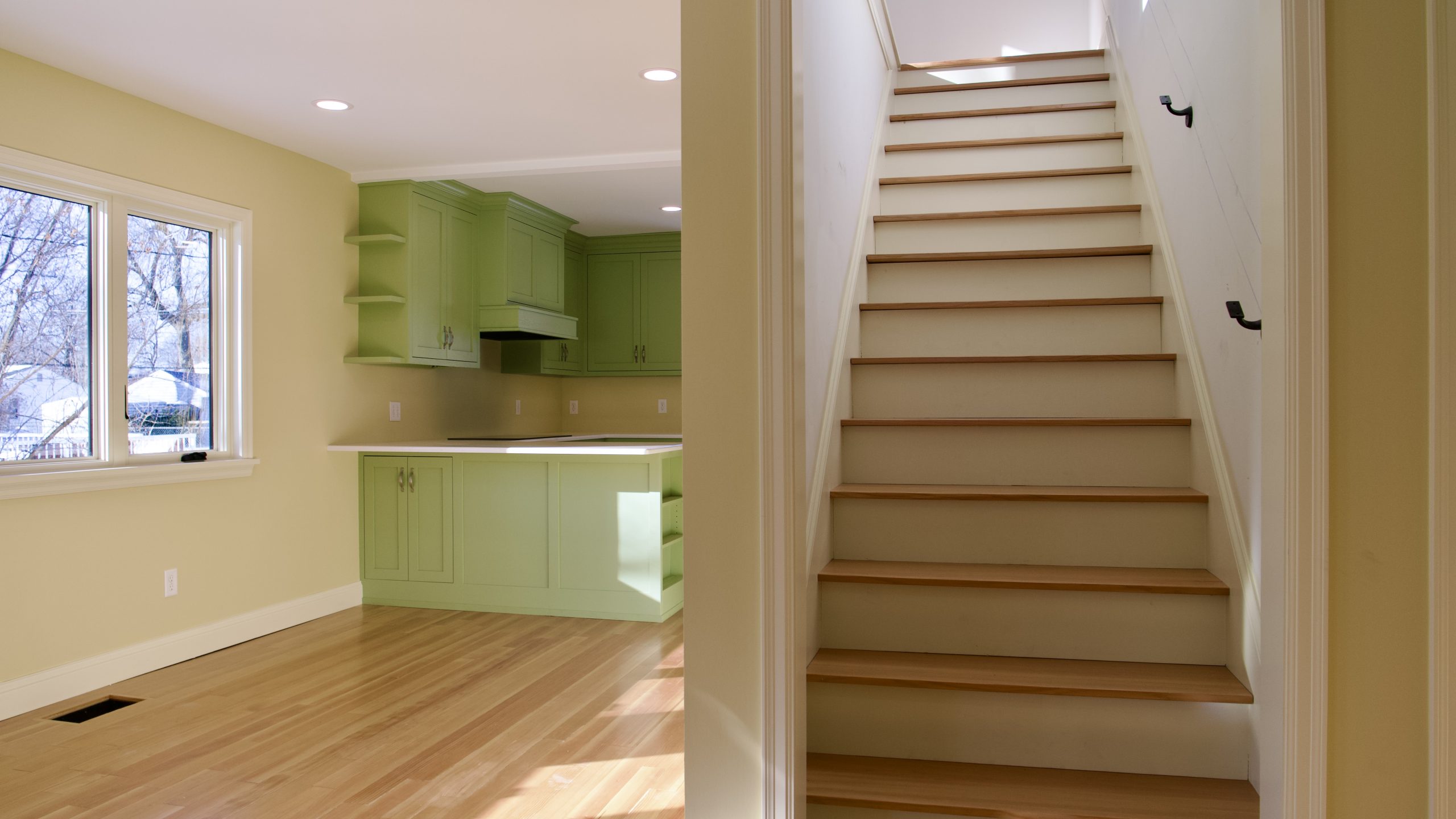
We kept the original vertical grain Douglas fir flooring and carried it into the new spaces. We set some borders in the floor to give distinction between living, dining and kitchen. The kitchen cabinets are custom made from oak, and we opted for a glazed finish so the wood grain shows through the paint rather than being hidden under a layer of enamel. This brings the warmth of wood into the space without going all the way to stain grade. The homeowners wanted color but to still feel the texture of the wood, rather than hide it.
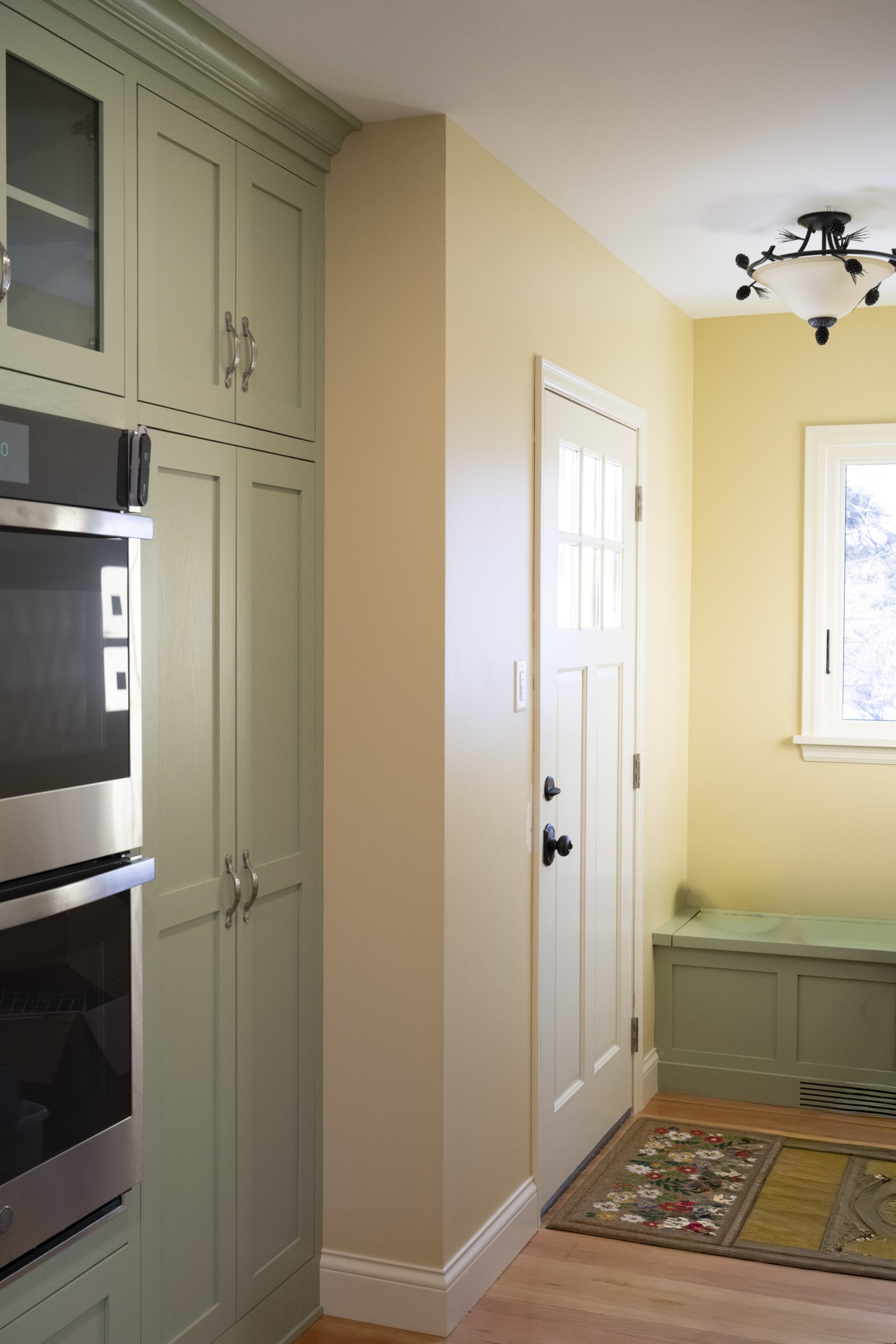
The counters are creamy, white quartz and the veining compliments the yellow of the walls, the green of the cabinets and the stainless steel appliances. The kitchen features an induction stove top and separate double ovens. This is a working kitchen and with a baker in the house, it has to be! The pantry is just next to the fridge and ovens and a few feet from the back door so you can come right in arms full and put things where they belong.
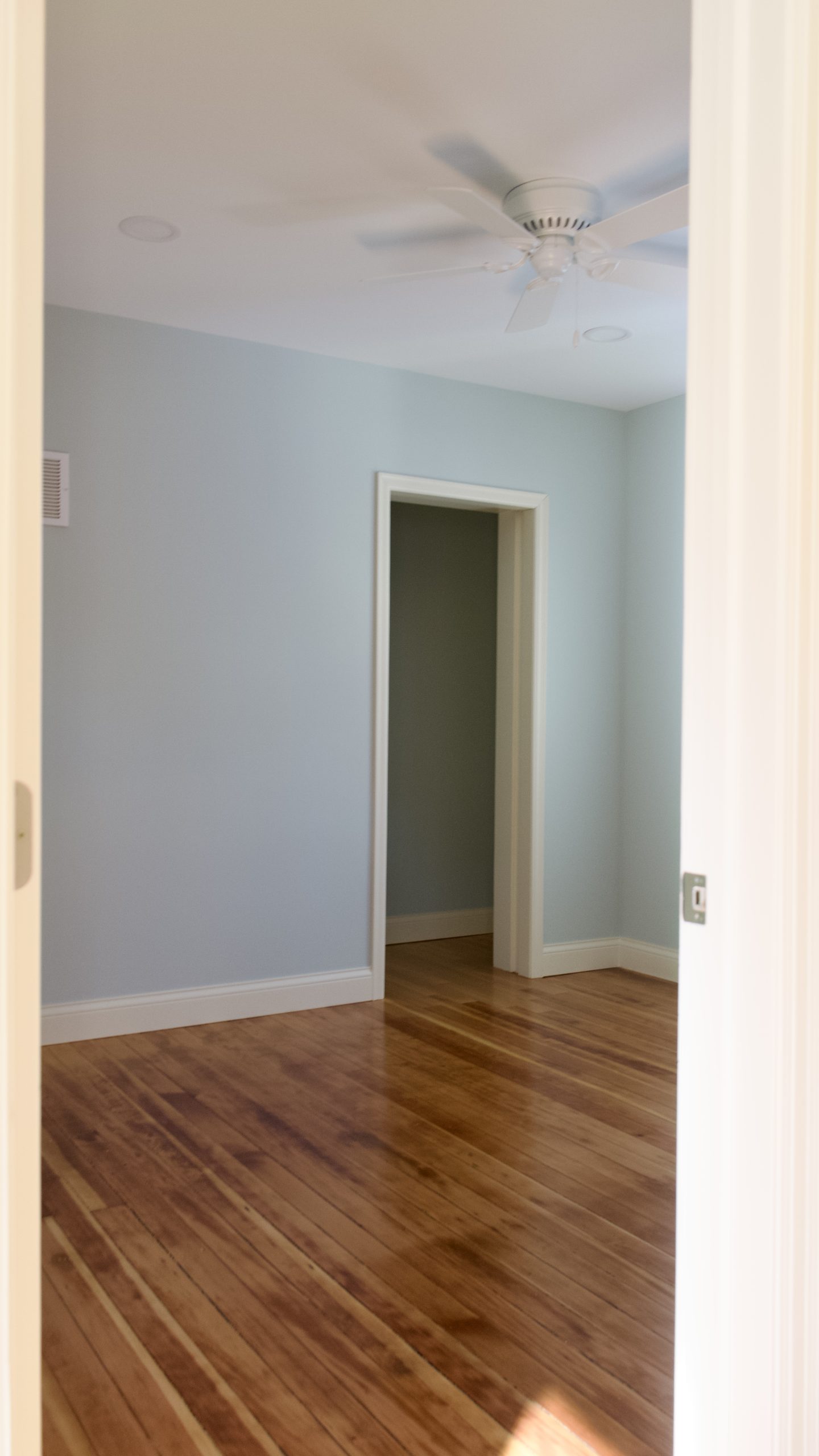
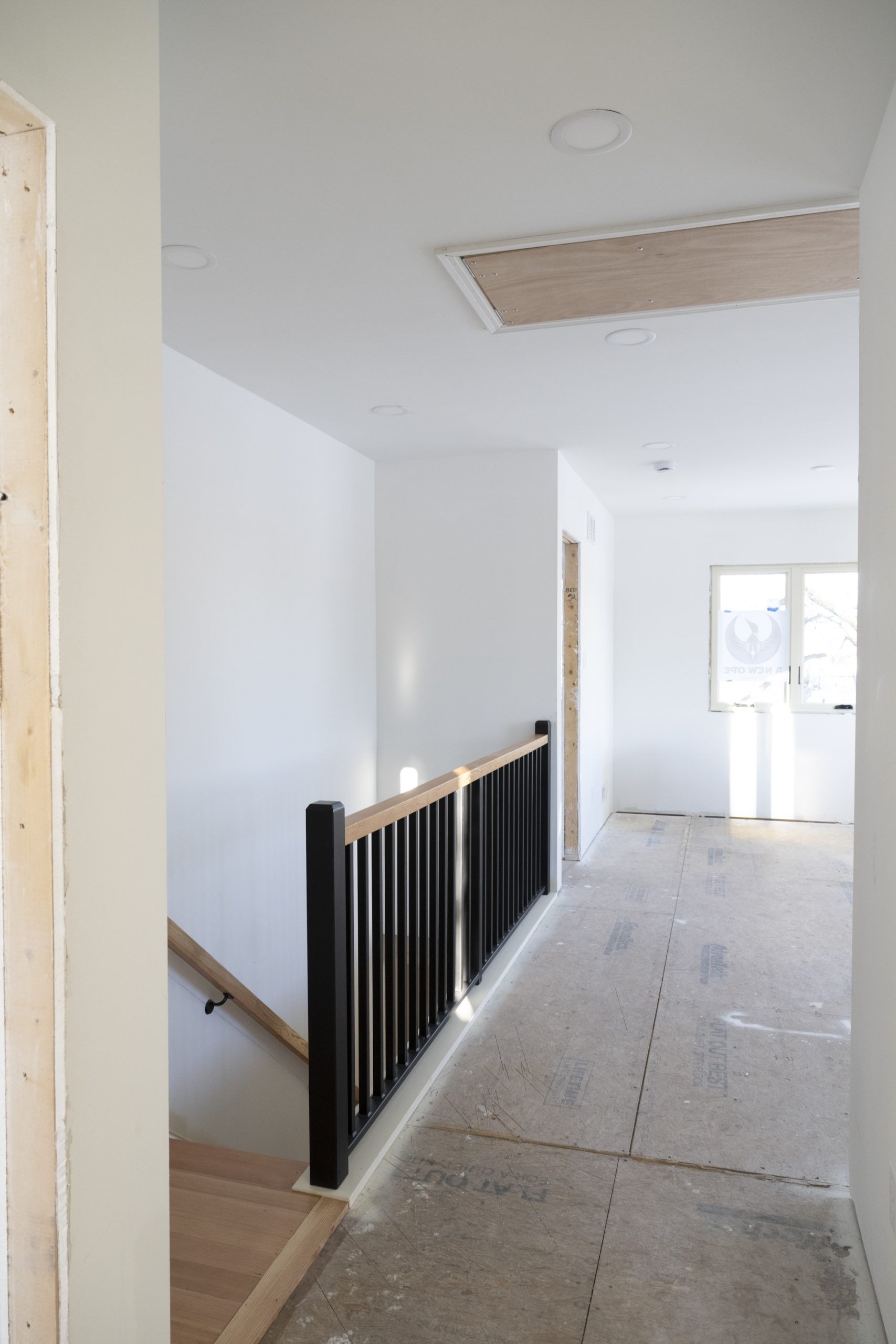
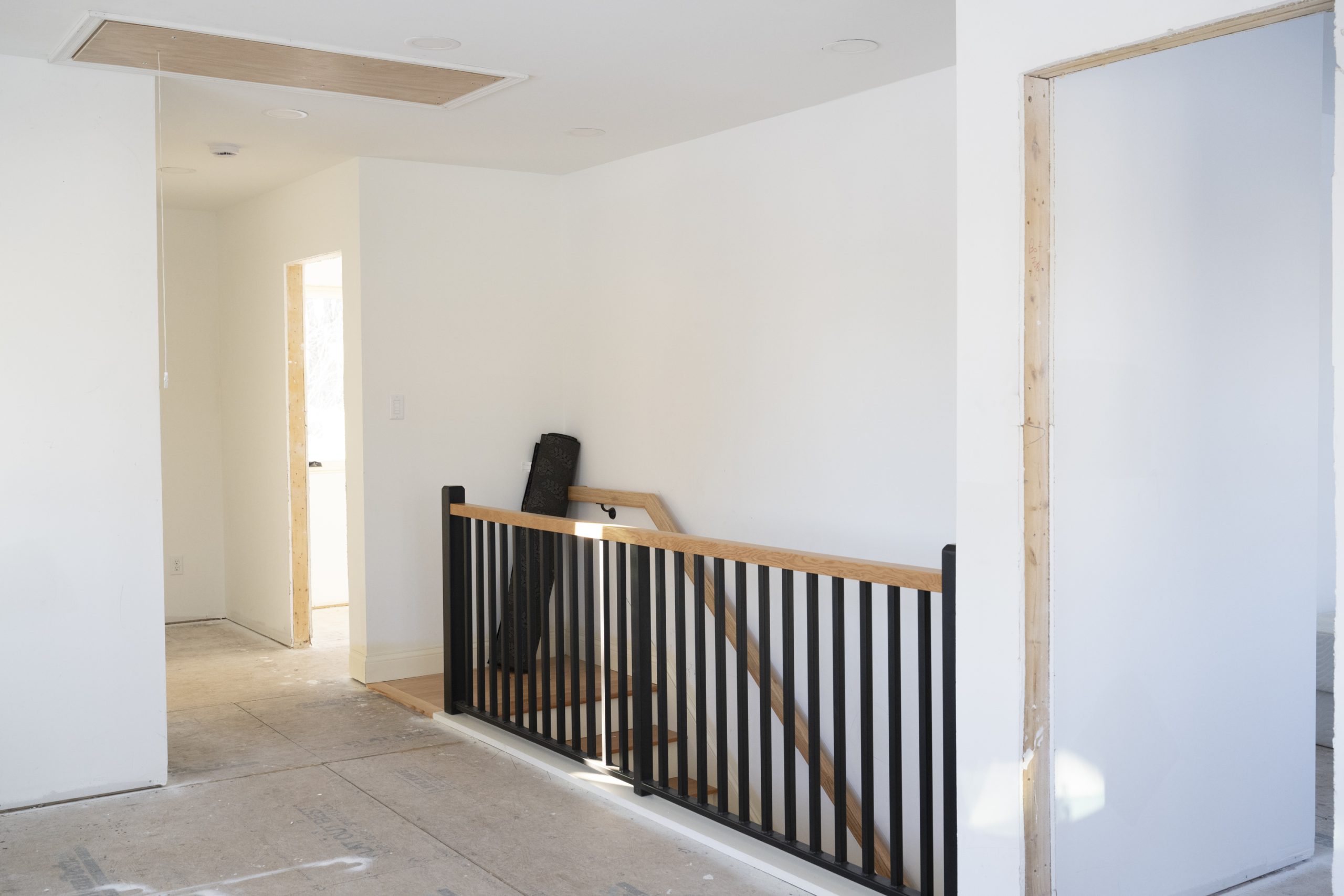
On the second floor we roughed-in a future bathroom, added two bedrooms and a study. And the new attic has some bonus storage room. The basement is mostly unchanged other than we added 10’ to the back of it as well. We went from a roughly 1,000 sq foot house to 2300 sq ft. and all new wall assembly. We replaced all the windows and made several much larger ones. We opted for a fiberglass window with a wood interior so as to keep a traditional look on the inside.
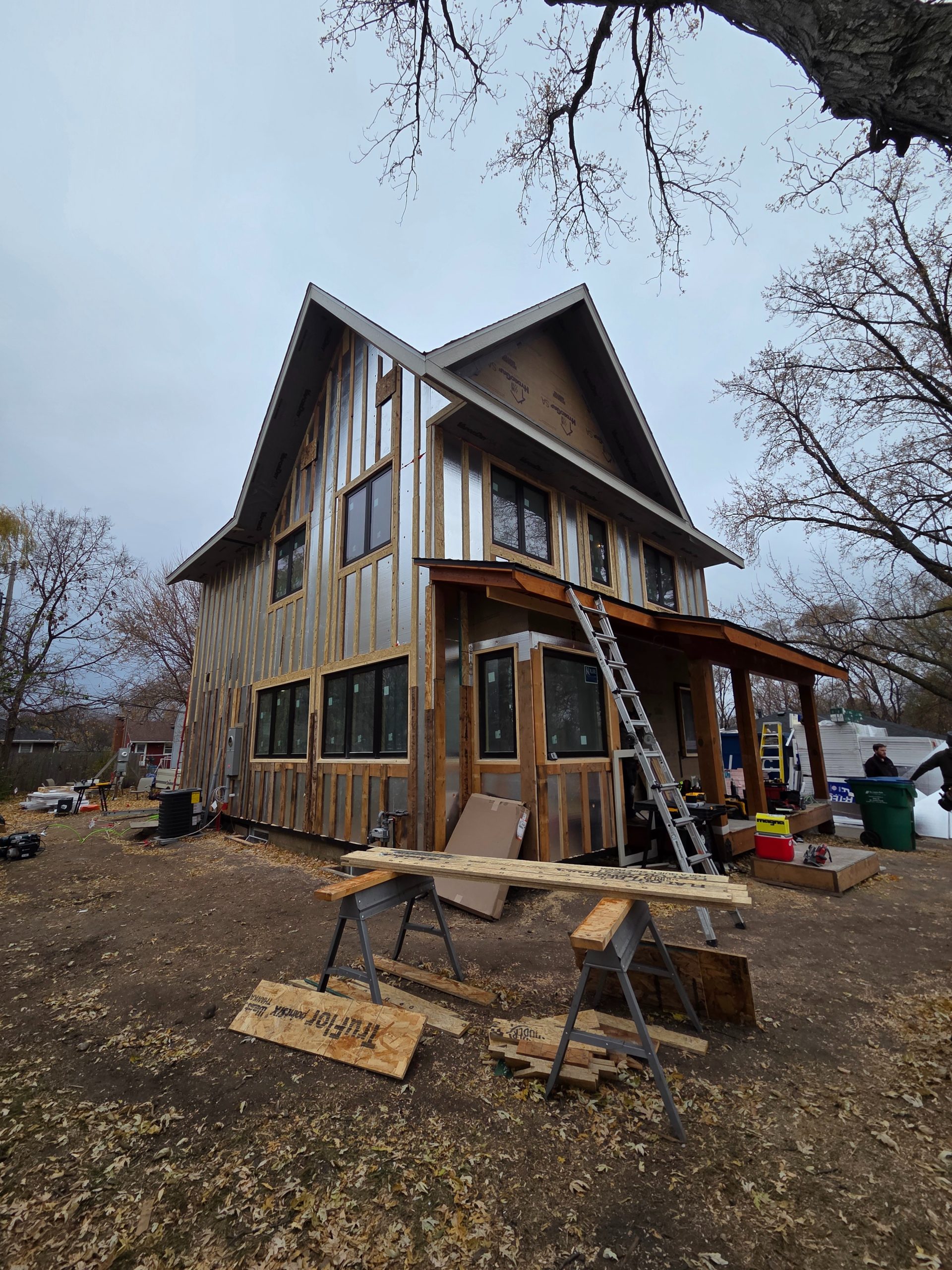
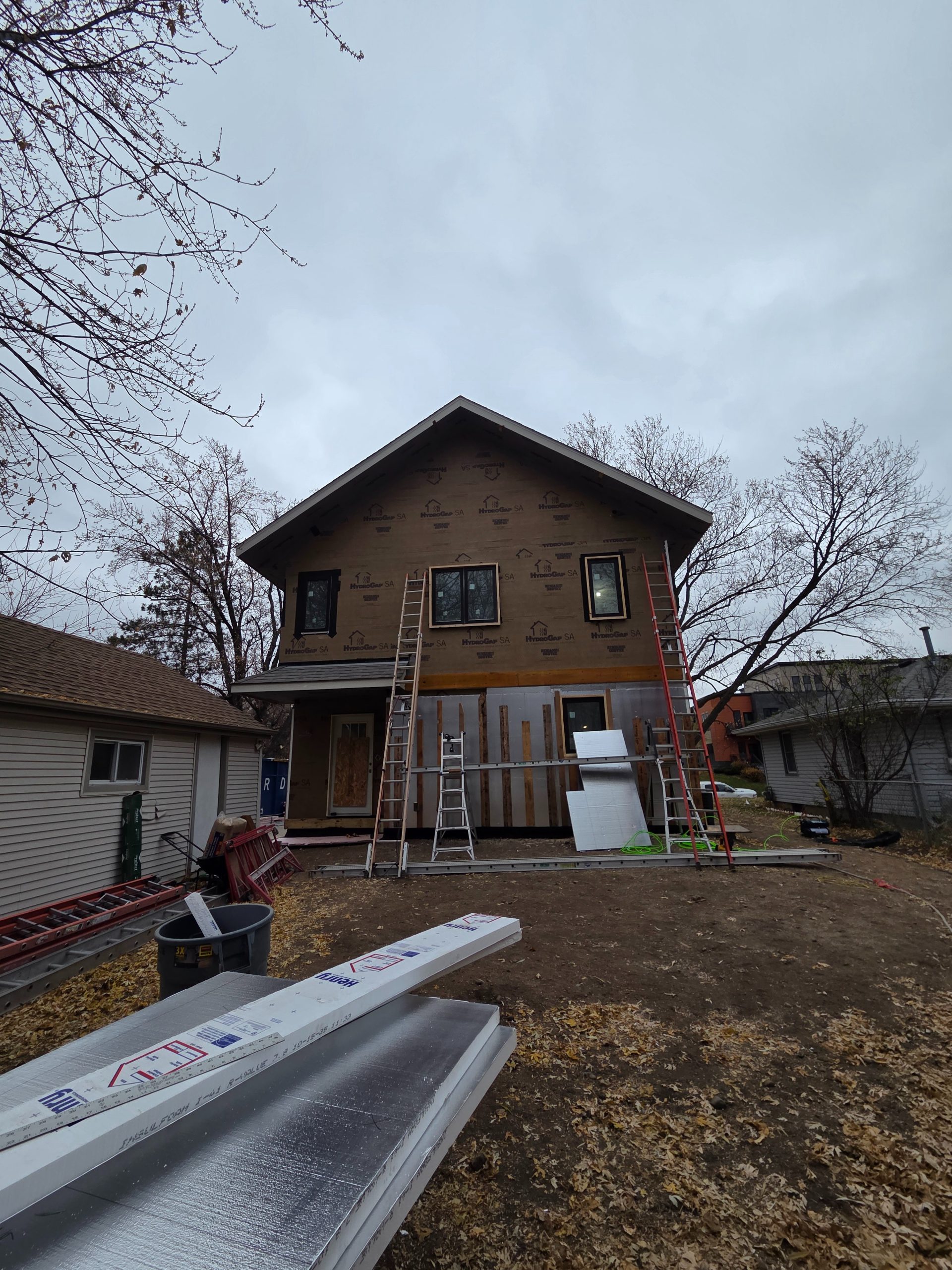
The most significant upgrades to the home are the ones that are not seen: a new HVAC system and HRV, insulation in both the stud cavities as well as 2” continuous insulation on the exterior, a continuous WRB that covers the roof and runs all the way to the foundation. Though these things are not seen, they have the biggest impact on the home because it means that the home is air sealed well and HRV is how this home will ventilate allowing the incoming air to be filtered and pre conditioned before the furnace gets involved. This will mean cleaner air, lower energy bills and less impact on our environment.
But what does this mean for the home owners besides all the nerdy stuff? Comfort. This means that there aren’t drafty spaces or overly hot spaces. Each room is uniformly comfortable and even between floors there is a very consistent temperature. While the house was being sheet rocked in November, we heated the house with two small radiant heaters. And since the furnace has been turned on we have been impressed with how consistent the temp is and how rarely the furnace runs even during construction with people constantly coming in and out.
Speaking of the exterior, the all new siding and a rain screen allows ventilation behind the siding, extending the life of the siding and paint. The windows are set at the original depth of the walls and window bucks are installed around the windows to allow for the 2” of insulation and the rain screen to be buried behind the siding, giving these modern windows a bit of depth like a more traditional window.
Our favorite part of the home is the front porch. All wood from decking to ceiling paneling, this porch echoes a time when we spent more time outside. It not only communicates where to enter the home, but it encourages us to linger, perhaps sit and watch the sun come up or make the MN goodbye a bit sweeter even in harsher weather. This home will be more comfortable and more efficient than any in the neighborhood for years to come. We believe that more homes should be built to this level, both for the benefit of our environment and of course for the enjoyment of home owners. We hope to see you on the MSP home tour!
Project Info
Whole House Renovation
Gallery
Address
Thanks to our SPONSORS